
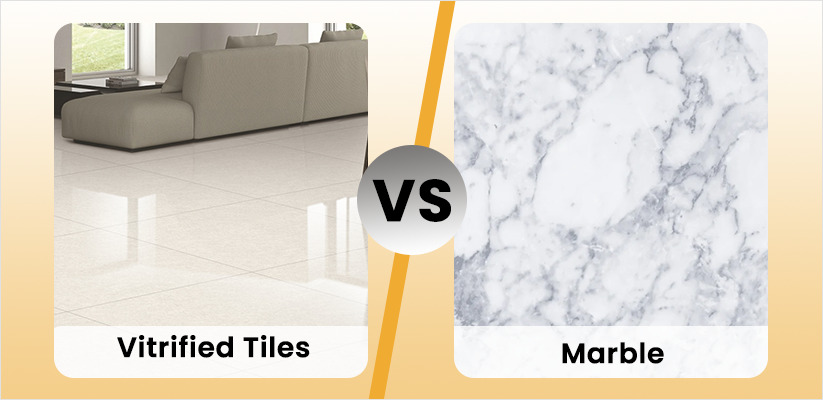
Choosing the right flooring materials is one of the most important decisions in any construction or renovation project. In 2026, two options continue to dominate the market: marble flooring and vitrified tiles. Both offer unique benefits, but the best choice depends on your budget, design preferences, and maintenance requirements.
Marble Flooring: Timeless Luxury
Marble flooring has long been associated with elegance and sophistication. As a natural stone flooring solution, it brings a unique appearance to every space, making it a preferred choice for luxury homes, hotels, and premium commercial projects.
Benefits of Marble Flooring
- Natural and distinctive patterns
- Enhances property value
- Premium and luxurious appearance
- Long-lasting when properly maintained
Limitations
- Higher installation and maintenance costs
- Requires periodic polishing
- Can absorb stains if not sealed properly
For projects focused on aesthetics and exclusivity, marble remains one of the most sought-after luxury flooring materials.
Vitrified Tiles: Modern and Practical
Vitrified tiles have gained immense popularity due to their durability, affordability, and low maintenance requirements. Available in a wide range of designs, they can even replicate the look of natural stone.
Advantages of Vitrified Tiles
- Cost-effective compared to marble
- Resistant to stains and moisture
- Easy to clean and maintain
- Suitable for high-traffic areas
- Wide variety of colors and finishes
Limitations
- Less unique compared to natural marble
- Damaged tiles may need replacement rather than repair
For homeowners and developers seeking durable flooring options, vitrified tiles offer an excellent balance of performance and value.
Marble Flooring vs Vitrified Tiles: Key Comparison
When comparing marble vs vitrified tiles, consider these factors:
- Cost: Marble is more expensive, while vitrified tiles are budget-friendly.
- Appearance: Marble offers a natural, luxurious look; vitrified tiles provide versatile design options.
- Maintenance: Marble requires regular care and polishing; vitrified tiles are easy to maintain.
- Durability: Both are durable, but vitrified tiles are more resistant to scratches and stains.
- Water Resistance: Vitrified tiles have better moisture resistance, while marble needs sealing.
- Application: Marble suits premium spaces; vitrified tiles are ideal for residential and commercial projects.
Which Flooring Is Better in 2026?
If your priority is luxury, exclusivity, and timeless appeal, marble flooring is the ideal choice. However, if you are looking for low maintenance flooring, better durability, and cost efficiency, vitrified tiles are the smarter option.
As modern flooring trends 2026 continue to evolve, both materials remain strong contenders for residential and commercial projects. The final decision should align with your project’s budget, design vision, and long-term maintenance goals.
Looking to explore the latest flooring innovations and market trends? Visit GFLOOR Expo 2026 and connect with leading flooring manufacturers, suppliers, architects, and industry professionals shaping the future of flooring.